Changes to the Regulations on New Genomic Techniques
What Are the Practical Implications for plant breeding with CRISPR-Cas?
This year, the European Parliament adopted new regulations on the use of New Genomic Techniques (NGT) to develop crop varieties that are more resilient to climate change and pests, while reducing dependence on pesticides. CRISPR-Cas is one of the techniques that enables plant breeders to develop disease-resistant varieties. But will it truly provide the long-awaited solution to many plant diseases?
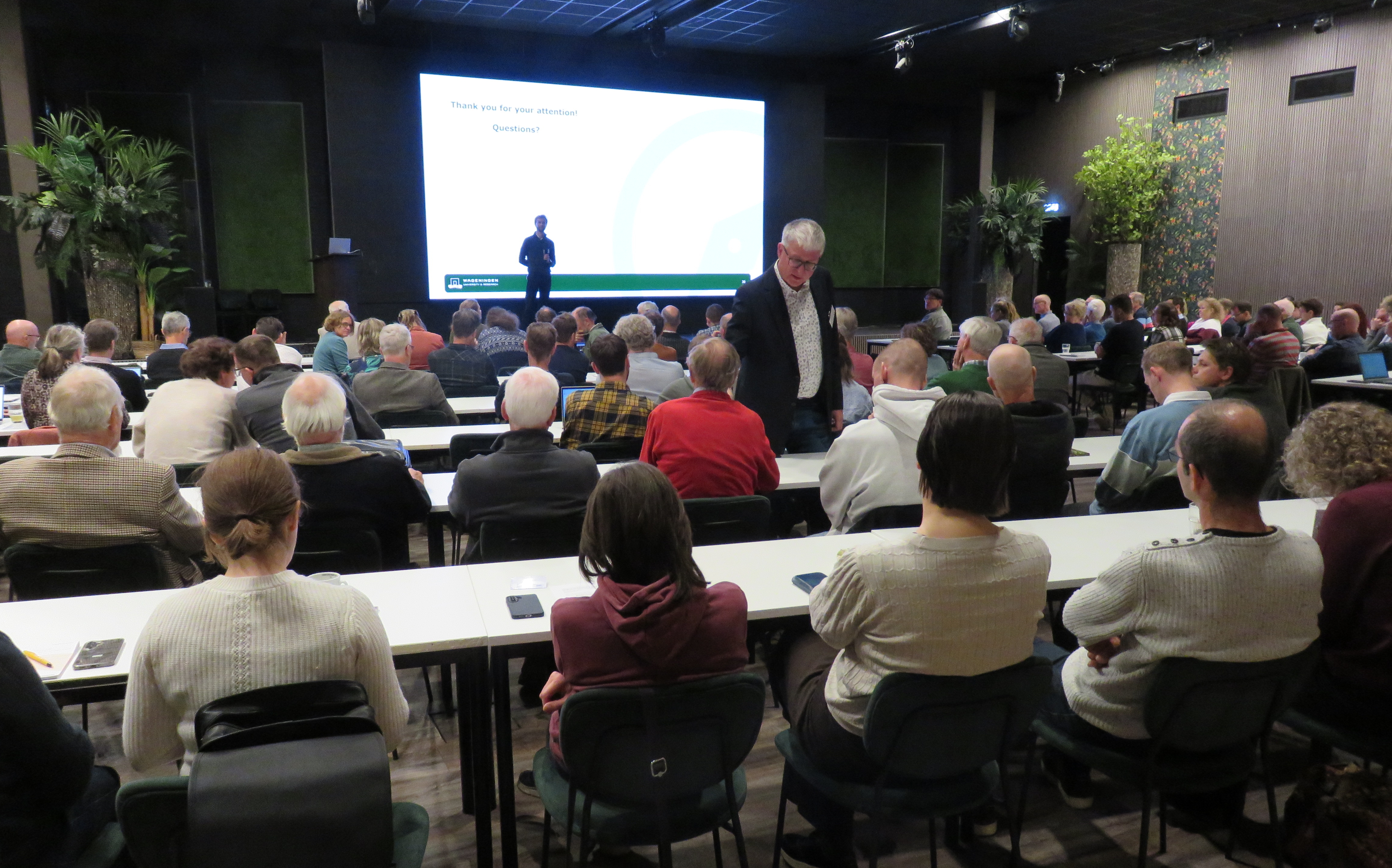
During the meeting on 12 november, jointly organized by the Study Group for Plant Breeding and the Royal Netherlands Society of Plant Pathology (KNPV), several experts provided an in-depth overview of the topic. They explained how CRISPR-Cas works and how it can be useful. They told what has changed under the new EU regulations, who owns the patents to the CRISPR-Cas technology, and what the practical implications are. And we have heard whether breeding companies already begun using the technology, and when we can expect the first commercially available plants.
The meeting concluded with a panel discussion on (amongst other topics) the societal acceptance of these new technologies.
Presentations and speakers
Opening by conference chair Leendert Molendijk (chair KNPV)
CRISPR-Cas: Mechanisms, Systems and Applications (pdf)
Jillis Grubben - Researcher Plant Genome Editing
Wageningen University & Research
License to Cut: IP in the CRISPR era (pdf)
Sjoerd Bijl - Policy Specialist in Intellectual Property
Plantum
Gene editing Regulation in the European Union: Opportunities and challenges (pdf)
Ania Lukasiewicz - Researcher Plant Breeding and Gene Editing
Wageningen University & Research
The Commercial Horizon of NGTs: Driving Sustainability and Market Acceptance in the Vegetable Seed Sector (pdf)
Laurens Kroon - Head of Research
Bejo Zaden BV
Debate with panel and audience
Moderator Leendert Molendijk
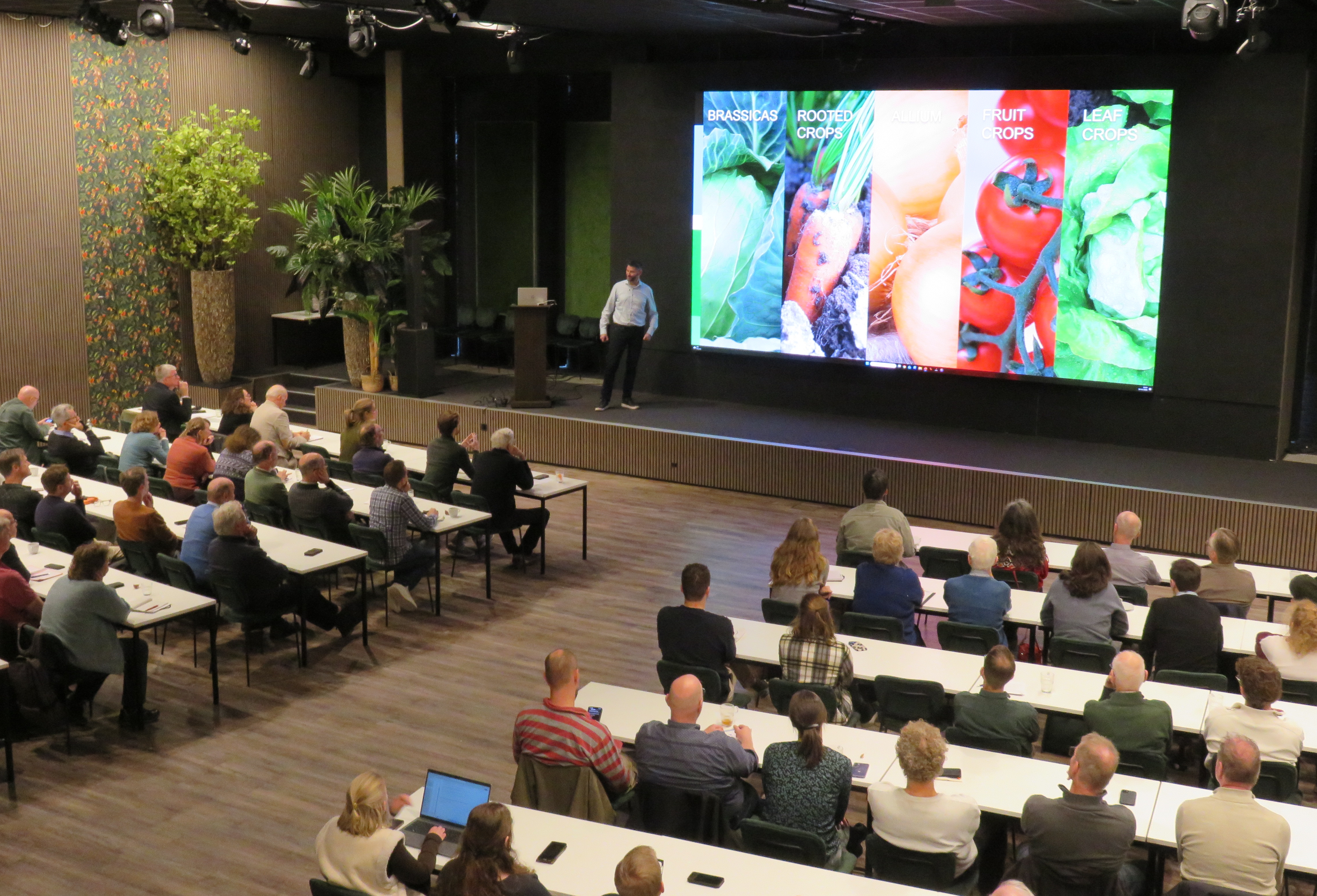
The meeting took place Thursday 12 November 2026 in Wageningen.
Questions? Please send an e-mail to